How Local Governments And Schools Benefit From Solar Partnerships
General

Local governments and schools serve their communities every day, but rising energy costs can put added pressure on already tight budgets. From powering classrooms and administrative buildings to keeping public facilities comfortable year-round, electricity represents a significant ongoing expense.
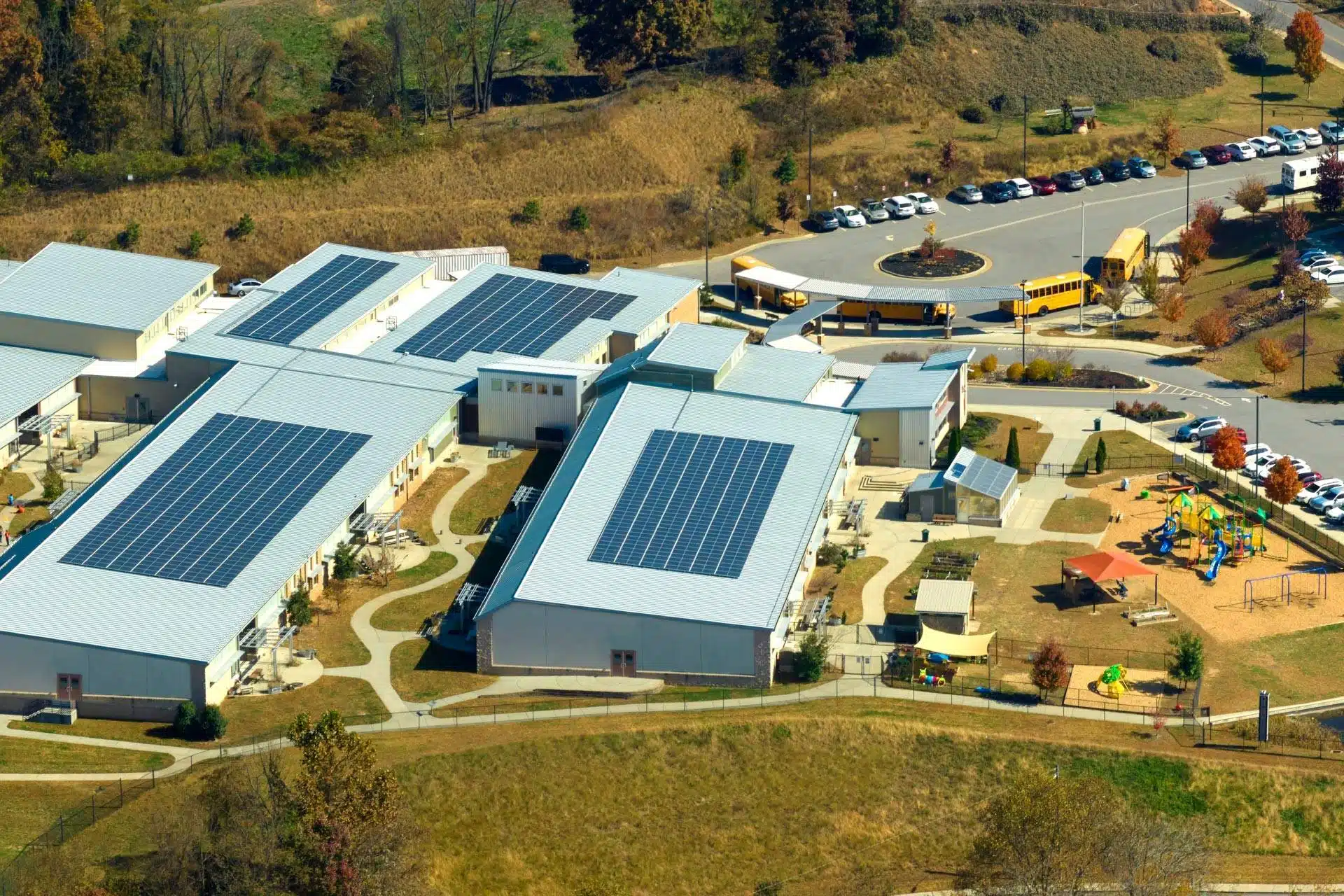
Solar energy allows public organizations to take greater control of those costs while investing in cleaner, renewable energy. Through the right solar partnerships, schools and local governments can develop solutions that fit their facilities, energy needs, budgets, and long-term goals.
Reduce Long-Term Energy Costs
Schools and government facilities often operate large buildings that require substantial amounts of electricity. The cost of using lighting, heating and cooling systems, computers, equipment, and other daily needs can quickly add up!
A properly designed solar energy system can offset a portion of the electricity a facility purchases from its utility provider. Over time, those savings can help organizations redirect resources toward other priorities.
For schools, that could mean putting more money toward educational programs, technology, facility improvements, or student services. Local governments can use savings to support infrastructure, public services, and other community needs.
Solar also helps organizations plan for the future. Utility rates can change, but generating electricity on-site gives schools and municipalities another way to manage long-term operating expenses.
Turn Public Facilities Into Community Examples
When a school, library, municipal building, or other public facility installs solar panels, the project becomes highly visible within the community.
That visibility allows local leaders to demonstrate responsible energy use and show residents how renewable energy can work close to home. Strong solar partnerships can help communities make practical progress toward sustainability goals while creating a project residents can see in action.
Schools gain an additional benefit. A solar installation can create real-world learning opportunities for students. Teachers can connect solar energy to lessons involving science, technology, engineering, math, sustainability, and environmental responsibility.
Instead of learning about renewable energy only through a textbook, students can see how their own school generates clean electricity.
Make Solar Projects Easier To Manage
Solar projects involve more than installing panels. Organizations need to consider the property, current electricity use, system design, permits, documentation, installation, monitoring, and long-term support.
An experienced local solar provider can guide decision-makers through those steps and help simplify the process.
This support matters for schools and government organizations that may not have an in-house solar expert. The right partner can evaluate the property and energy goals, develop a customized system, answer questions, and provide support after installation.
By choosing experienced solar partnerships, public organizations can approach renewable energy with a clear plan rather than trying to navigate every technical detail on their own.
Support A Cleaner Future For Your Community
Solar energy produces clean, renewable electricity and helps organizations reduce their reliance on conventional energy sources. For schools and local governments, that impact reaches beyond a single building.
Community solar projects can encourage conversations about sustainability, energy independence, and responsible stewardship. They can also demonstrate that Indiana communities have practical opportunities to use solar energy locally.
Every project looks different, which makes careful planning important. Building size, electricity usage, available space, budget, and long-term goals all influence the right solar solution.
Start Planning Your Solar Project
Schools and local governments have an opportunity to lower energy costs, support sustainability goals, and demonstrate responsible leadership within their communities.
We help organizations throughout North Central Indiana explore customized solar energy solutions. Contact Advanced Solar today to discuss your property, energy needs, and goals and find out what solar could look like for your organization.
Frequently Asked Questions
Can schools save money by switching to solar energy?
Solar energy can help schools reduce the amount of electricity they purchase from their utility provider. Actual savings depend on factors such as energy usage, system size, available space, and local utility rates.
What types of government buildings can use solar energy?
Many types of public facilities may support solar, including municipal offices, libraries, community centers, maintenance facilities, and other government-owned properties. A site evaluation can help determine whether a property offers a good fit.
Do solar panels provide educational opportunities for students?
Yes. Schools can use their solar installations to support lessons involving renewable energy, sustainability, engineering, science, technology, and mathematics. Energy monitoring can also give students real-world information to explore.
How does a solar provider help with a public-sector project?
A solar provider can evaluate energy needs and the property, design an appropriate system, help manage documentation and permitting, complete the installation, and provide ongoing monitoring and support.
Is solar energy effective in Indiana?
Yes. Indiana receives enough sunlight to make solar a practical renewable energy option. The right system design considers local conditions, the property, energy consumption, and the organization’s goals.
Categories: